Hostels: the modern Pioneers of Co-Living
Why hostels are more than a place to sleep — and what today’s remote workers can learn from them.
Long before the rise of remote work, digital nomads and co-living brands, hostels were already practicing a way of living that the world is only now rediscovering:
sharing, connecting, and creating community through everyday life.
In an era where we work from rooftops, cafés, airports and across continents, hostels feel more relevant than ever.
Not because they follow trends, but because they celebrate something timeless: people living together with openness, curiosity, and kindness.
1 Hostels practiced sustainability before it became a trend
The hostel world has always been built on:
- shared rooms;
- communal kitchens;
- collective energy use;
- reduced waste;
- a natural sense of responsibility.
Sharing is ecological by nature.
It means consuming less and living more.
Many hostels choose local products, avoid unnecessary plastic, save resources and collaborate with their communities — not for marketing, but because it feels natural.
2 Co-living is not new — hostels shaped it decades ago
Today co-living is considered innovative. But hostels have embodied its spirit since the beginning.
In a hostel, people naturally learn to:
- respect each other;
- live side by side;
- adapt with empathy;
- solve small problems creatively;
- build friendships that feel effortless.
This gentle social education is something many remote workers miss when living or working alone.
3 Staff are the true cultural guides
Apps and maps help, but nothing compares to someone who knows their city from the inside.
In many hostels, staff members become:
- cultural bridges;
- spontaneous storytellers;
- advisors for local food;
- curators of meaningful experiences;
- warm presences in everyday life.
They help people feel at home in a new place — in a way technology never could.
4 Hostels are becoming natural flexible workspaces
Today’s travelers are not only on holiday.
They may be studying, freelancing, running projects, teaching remotely or simply exploring while working.
Hostels respond with spaces that support both productivity and community:
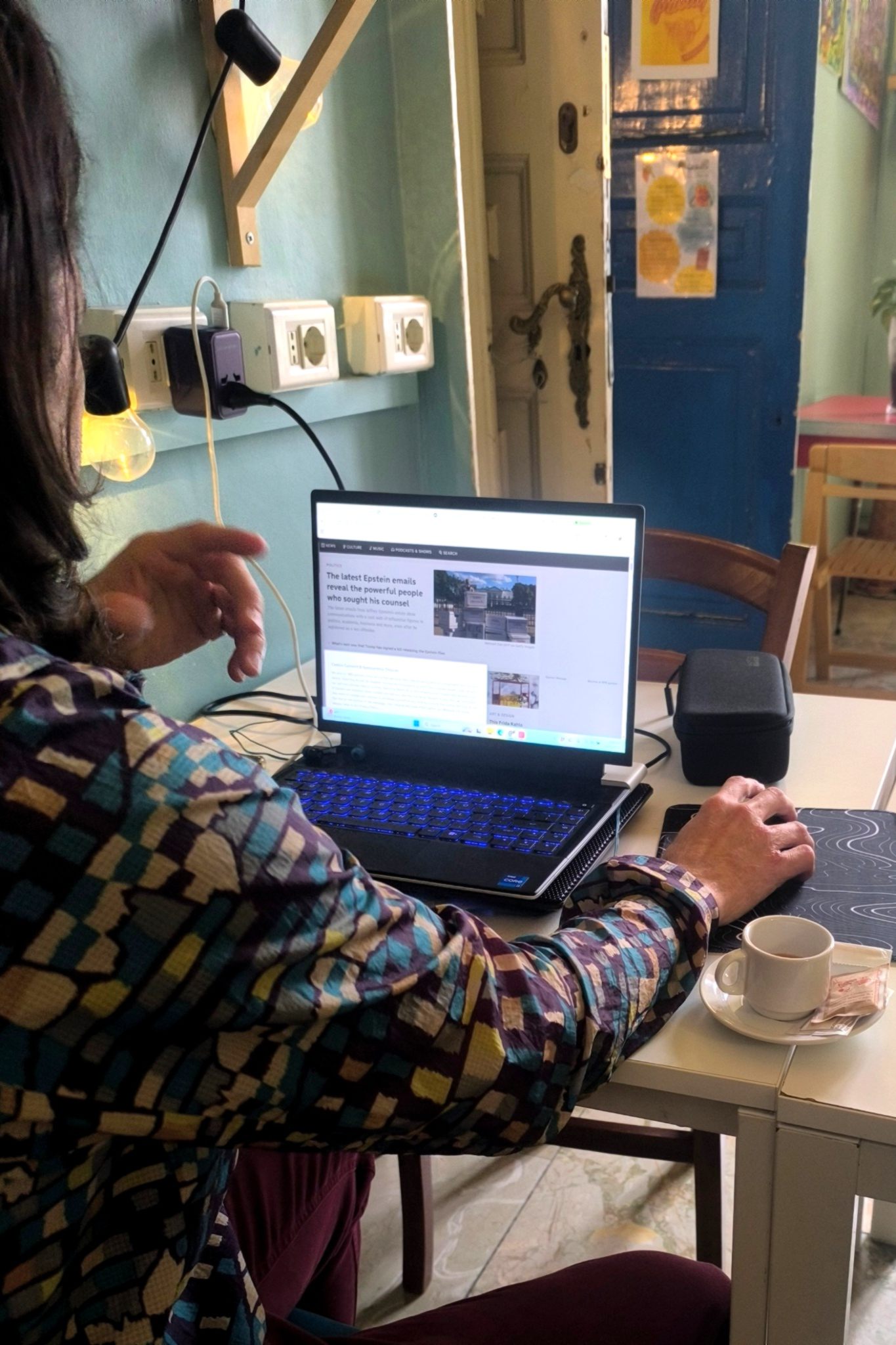
- large tables for focus;
- quiet, peaceful rooms;
- rooftops filled with morning light;
- reliable Wi-Fi;
- shared kitchens for a quick meal;
- affordable day passes;
- an atmosphere that makes work feel lighter.
Not formal coworking spaces — but often more human ones.
5 A real example: Ostello degli Elefanti — a dynamic space open to the city
In the heart of Catania’s historic center, right on Via Etnea, Ostello degli Elefanti embodies these values with sincerity.
It is currently the only place in Catania where even non-guests can join the community, study, work and enjoy the shared spaces — simply by becoming members of the Welcome 2 Sicily Association.
This means that an external visitor is not an outsider:
they become part of the family, someone who chooses to live the shared spirit of the hostel.
At Ostello degli Elefanti, people can:
- work in quiet, inspiring rooms;
- enjoy the rooftop before the bar opens, with a unique view of Mount Etna;
- use the shared kitchen to prepare a quick meal;
- take a shower or do laundry during a long workday;
- connect with locals and travelers;
- receive genuine advice from staff who know the city deeply.
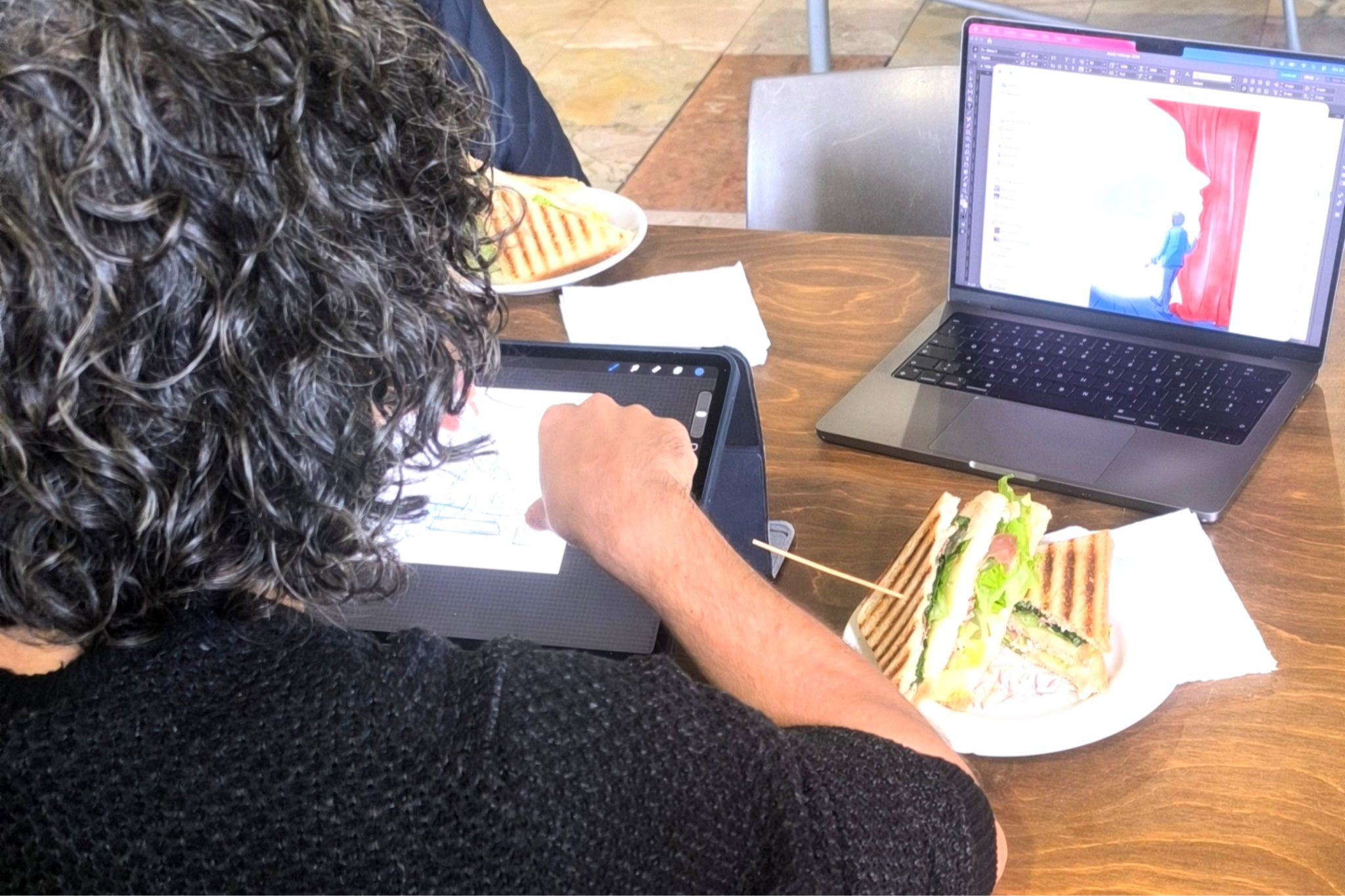
Among the creative people who use the space, you can often find digital artists like Brus.pp, a member of our community who brings his creativity into our shared work environment.
It isn’t a traditional coworking space.
It’s a social ecosystem — open, dynamic, sustainable, creative and deeply human.
A living example of how a hostel can be more than accommodation:
a cultural heart of the city.
Conclusion: the future of living has always been here
As remote work grows and people look for meaningful human connections, hostels feel more modern and necessary than ever.
Not because they changed — but because the world is finally catching up.
Hostels remain the pioneers of co-living:
green, social, inclusive, flexible and profoundly human.
And for anyone seeking not just a place to work or sleep, but a way of living that feels open and alive...
a hostel may be the best place to begin.